Category
Classroom Strategies.
Practical, testable strategies for managing classroom behavior and supporting every student — from morning check-ins to peer pairing to stress management techniques.

Why Calling Parents Isn’t Enough: The Case for Structured Behavioral Intervention in Schools
Early Intervention Why Calling Parents Isn’t Enough: The Case for Structured Behavioral Intervention in Schools 📅 January 15,…

5 Behavioral Red Flags Teachers Miss (And How to Respond Early)
Early Intervention • 9 min read 5 Behavioral Red Flags Teachers Miss (And How to Respond Early) Every…

Talking to Parents About Mental Health: A Teacher’s Communication Guide
Parent Communication Talking to Parents About Mental Health: A Teacher’s Communication Guide Practical strategies for navigating the most…

Exam Stress in Children: Age-by-Age Intervention Strategies (3–18)
Child Psychology Exam Stress in Children: Age-by-Age Intervention Strategies (3–18) 12 min read • BloomBridge Psychology Team Exam…
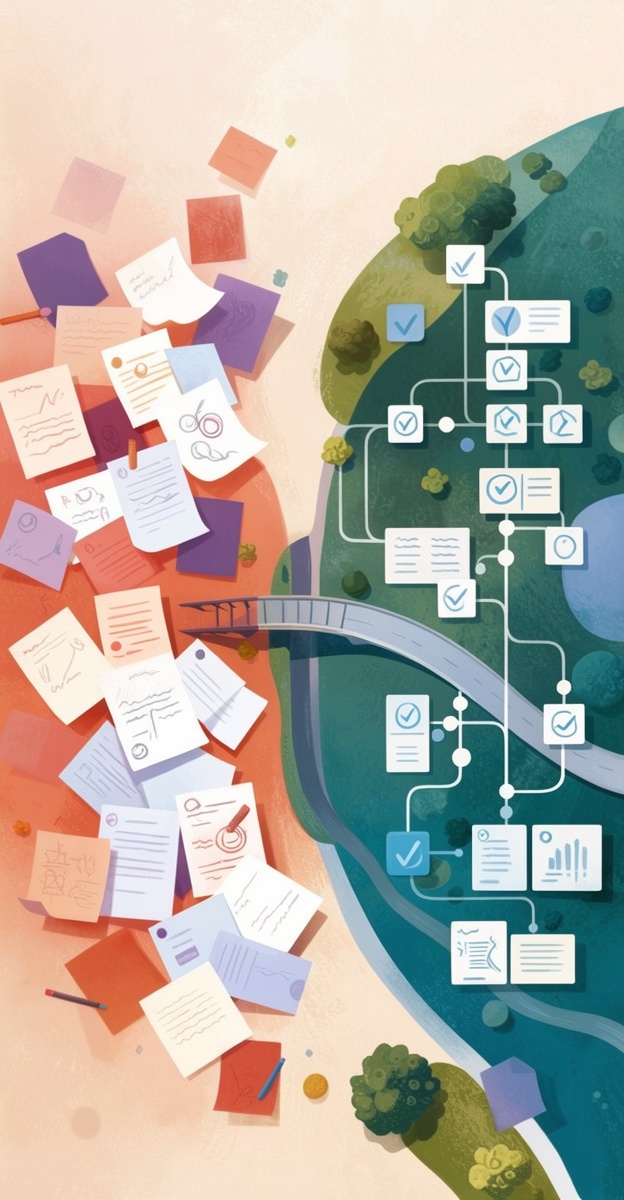
From Observation to Action Plan: How BloomBridge Works for Teachers
Teacher Resources From Observation to Action Plan: How BloomBridge Works for Teachers 8 min read • January 2025…
Hello world!
Welcome to WordPress. This is your first post. Edit or delete it, then start writing!
About this category.
This is the hands-on, try-it-tomorrow category. We share specific classroom strategies — from preschool play-based approaches to secondary conversation techniques — that teachers can implement immediately. Every strategy is age-appropriate, evidence-informed, and designed for real classrooms with real constraints.
What You’ll Find
Types of strategies we cover.
Morning Check-in Rituals
Structured 5-minute greetings that build emotional vocabulary and set a calm tone.
Peer Pairing Systems
Rotating partner assignments that build social confidence and reduce isolation.
Stress Management Techniques
Weekly check-in conversations and breathing exercises for exam-period anxiety.
Positive Reinforcement Frameworks
Specific, timely praise systems that shape behavior without dependency on rewards.
Transition Support Methods
Visual schedules, countdown cues, and bridging activities that ease activity changes.
Conflict Resolution Guides
Step-by-step frameworks for mediating peer disputes and teaching problem-solving.